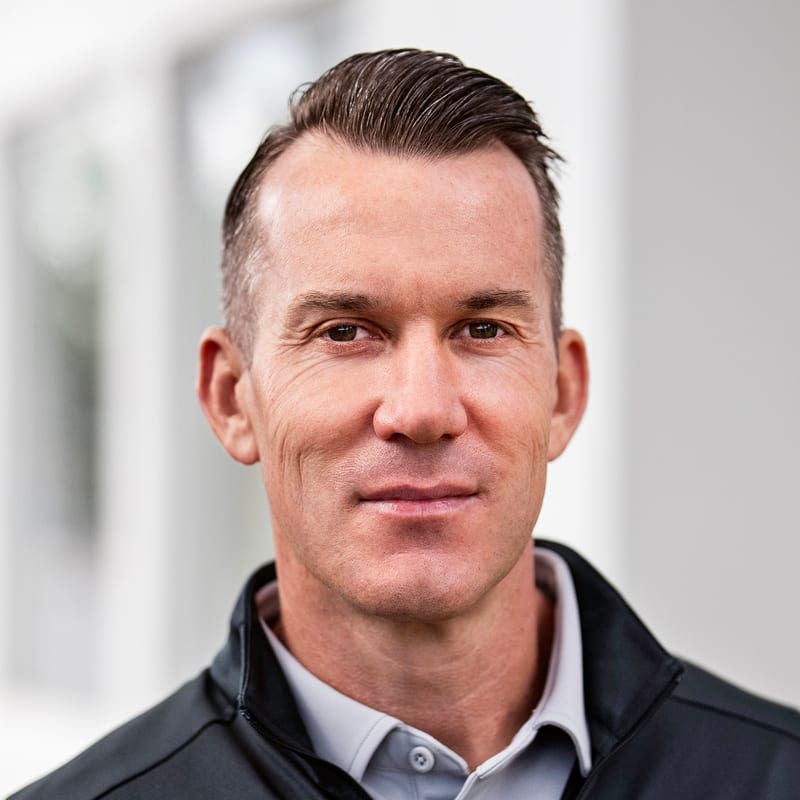
 Jesse Hopps
The book
The Transformation Architect
Why do some leaders make change stick, while others leave behind another program? A book in progress, now in its second draft.
What I used to believe
I used to think better information was the answer. So I built research, benchmarks, playbooks and tools for commercial leaders. For twenty years that was a good business, and it created real value for some people, especially consultants.
Then I thought better implementation was the answer. So I moved closer to the work: workshops, consulting, execution. The workshops scored well. Two weeks later the teams had been busy and hadn't looked at it since.
The same question kept coming back. People understood what they were supposed to do, some of them could show me they could do it, and they went back to the old way anyway.
Chasing that took me into motivation, adversity, coaching, autonomy, real work and adaptation. Each stage answered part of it. The book is where I write down what the work keeps teaching me, and the parts I have not worked out are still in there.
What I'm learning
Ten things I'm working out in the book.
Knowing isn't doing
People understand exactly what's expected and still don't do it consistently. The gap isn't information.
What makes it stick
People nod and agree in the meeting, then go back to what they were doing the next day. The book separates what makes change last from what only makes it look finished.
Why ownership matters
People defend what they built. They tolerate what they were handed. The difference shows up months later, once the attention has moved on.
Structured Autonomy
Leadership sets the direction and the boundaries. People closest to the work find the answer inside them. Where to draw that line is the question I get asked most, and I'm still working on it.
Guided Discovery
Helping someone without taking the challenge away from them. Coaching, not telling. I'm still learning how much help is too much.
Capability built through real work
Ninety days on a live commercial challenge, with real stakes, seems to do what a classroom rarely does. I want to understand why, and where it falls short.
Evidence and trust
A first win does more than prove an idea. It seems to buy the trust that makes the next change easier. I'm watching whether it does that outside one company.
From push to pull
The clearest sign something has changed is when you stop pushing and they start asking. I'm trying to describe the moment that turns.
Capability moving inside
How coaching moves from outside people to the company's own, and what has to be true for it to stay there.
Leading without authority
Accountable for results delivered by people who report to someone else. What they do with that, and what it costs them, is most of the book.
The field
One company, many cohorts, and what the book takes from it.
LANXESS, a specialty chemicals company, is the case that runs through the book. Roy van Griensven, who runs commercial excellence and transformation there, built the operating cycle with me and put his own job behind trying it. What the book takes from that work is the shape of it. The scores, the budgets, the conversations inside the company and the people who found it hardest stay where they belong.
- A classroom plan already existed, with a budget behind it.
- Roy and I tried something else: people would build the capability by doing real commercial work.
- Teams worked live growth challenges with real stakes, for about ninety days at a time.
- Coaches worked beside the teams. Operators who had sat in that chair, not a course.
- It ran through several cohorts, on more than one continent.
- Their own coaches came in a step at a time. By the later cohorts they were coaching Growth Projects themselves, with my team behind them.
- The evidence that came back was encouraging. It points one way, and it is not proof.
- Push started turning into pull. Business units began asking when it was coming to them.
The people
The book isn't about the person who fixes the organization.
- Difference Maker
- The job. A leader responsible for getting hundreds or thousands of people to think and work differently, when most of them report to someone else.
- Transformation Architect
- What the book is about. A leader who engineers the conditions for adaptation to happen naturally, without triggering resistance, and does not have to be the one holding the answer.
I am studying these people, working with them and writing about them. The book is theirs more than it is mine.
The tension
The people accountable for transformation usually have the least authority over the people who have to change. They're expected to:
- Deliver resultswithout owning the P&L.
- Change behaviorwithout managing most of the people.
- Build capabilitywithout more people or budget.
- Move fasterwithout breaking trust.
- Standardizewithout destroying useful autonomy.
Who changed the question
These ideas came out of talking with other people, and the credit goes with them.
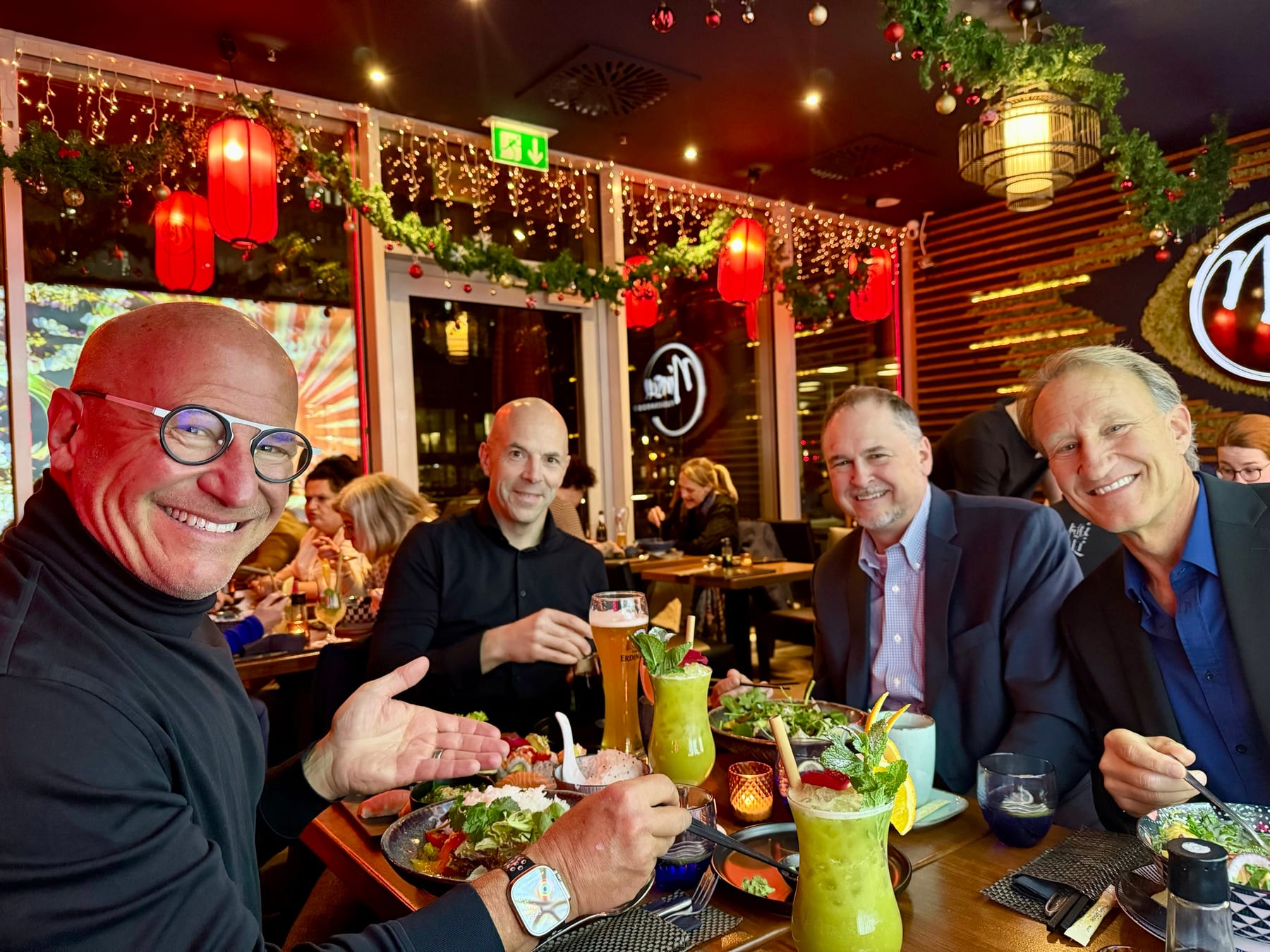

Kurt Friedmann
Challenged my telling-and-control orientation and introduced me to Dr. Paul Stoltz. The better question came out of talking it through with Kurt.

Dr. Paul Stoltz
Four decades of work on adversity response and adaptability at PEAK Learning, which gave me a different lens on the gap between knowing and doing.

Roy van Griensven
Put a different approach into a real enterprise before anybody could prove it would work, and co-designed AIRAS with me through the work itself.

Ron Denoo
Nearly thirty years of operating and strategy leadership in global chemicals, then operator coach on the work. He keeps the thinking honest about business reality.

John Follett
Co-founder of Demand Metric and twenty years of research beside me. He runs the Consortium benchmarking and asks the question that keeps a claim honest.
Consortium practitioners
Senior leaders comparing notes month after month. They keep challenging and refining the thinking with experience I could never have gathered alone.
Field notes
The questions I'm still chasing.
I'm not going to answer them here. They're what the book is for.
- Why is understanding so often easier than sustained action?
- When should a leader drive adoption, and when should they create the conditions for adaptation?
- What does resistance tell us?
- How much autonomy is enough, and how do you give people ownership without chaos?
- Where does capability really get built, and why does coaching change whether it sticks?
- When does push become pull?
- How does capability move from outside experts into the organization?
- What does a leader leave behind when the work is finished?
Related, and already published
 BriefThe Transformation Architect
 BriefThe Capability Illusion
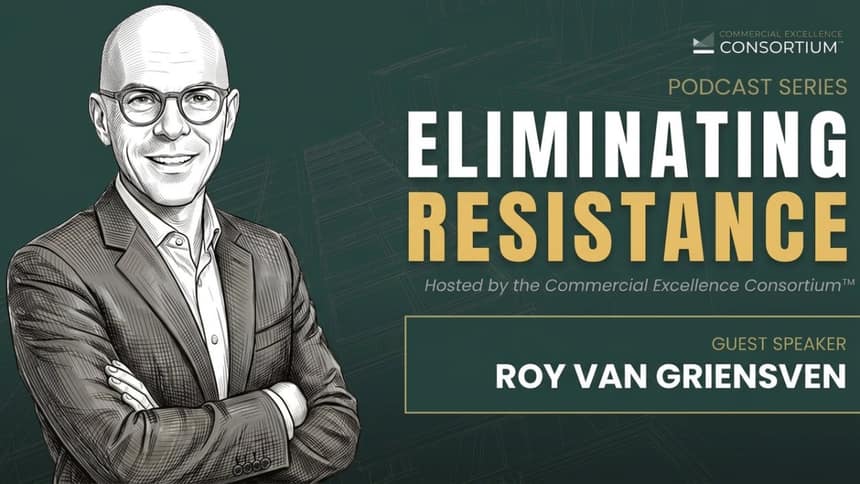 ConversationEliminating Resistance with Roy van Griensven
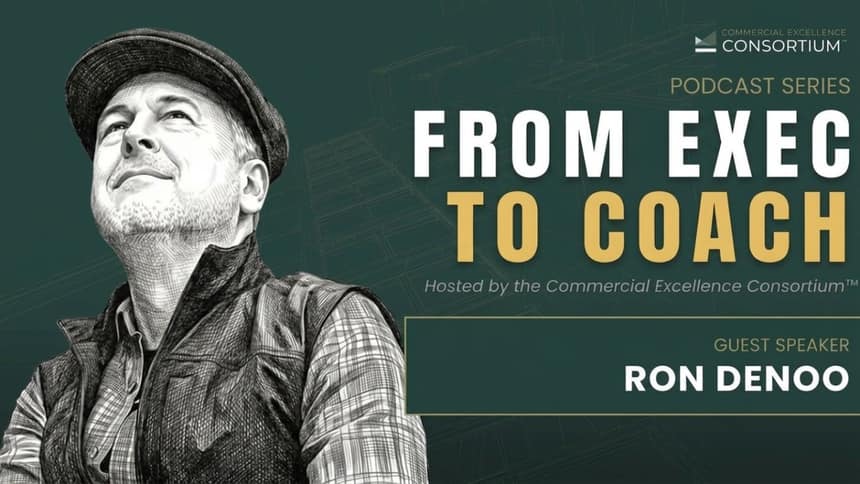 ConversationFrom Exec to Coach with Ron Denoo
Manuscript: second draft in progress. No publication date yet.
If you want to read it when it's ready, tell me.
One email. I'll let you know when there's something to read, and nothing before that. If you're responsible for one of these mandates yourself, say so. Those conversations are what the book is made of.